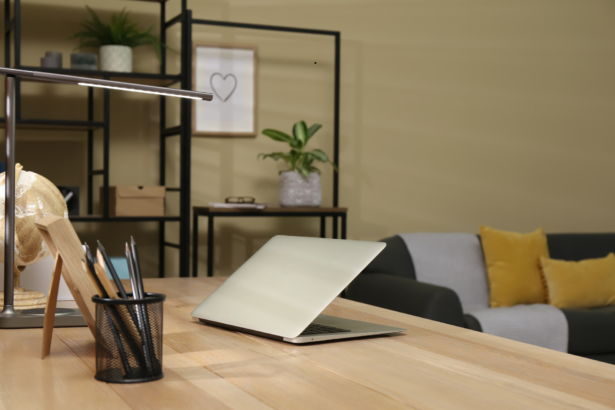




For the introverted professional, a home office isn’t just a place to park a laptop; it’s a sanctuary. It’s the one place where you have total control over the “vibe,” the volume, and the number of unexpected “drive-by” conversations (which, in this case, is zero).
- Why Learning How to Build a Cozy Home Office on a Budget Matters
- Step 1: Assessing Your Space (Small Room Office Ideas for Introverts)
- Step 2: Selecting Minimalist Workspace Essentials
- Step 3: Mastering the Affordable Ergonomic Desk Setup
- Step 4: Sourcing Your Gear (Second-hand Office Furniture Tips)
- Step 5: Personalizing Your Introvert Sanctuary
- Step 6: Tech and Cable Management on a Budget
- Summary of the Budget Home Office Plan
- Common Pitfalls to Avoid
- Final Thoughts for the Budget-Conscious Introvert
However, looking at high-end “workspace porn” on social media can be intimidating. You see $3,000 standing desks and Herman Miller chairs that cost more than a used car. If you’re an absolute beginner, you might think a functional workspace is out of reach.
Good news: it’s not. You don’t need a massive budget to create a space that fuels your focus. Here is exactly how to build a cozy home office on a budget while keeping your introverted peace of mind intact.
Why Learning How to Build a Cozy Home Office on a Budget Matters
If you’ve been working from your kitchen table or, heaven forbid, your bed, you already know the toll it takes. Your back hurts, your focus is fragmented, and the line between “home life” and “work life” has become dangerously blurry.
For introverts, a dedicated space is essential for recharging. When you build a cozy home office on a budget, you aren’t just buying furniture; you’re investing in a psychological “on/off” switch for your brain. By following a minimalist and budget-conscious approach, you can create a high-functioning zone that honors your need for quiet without draining your savings.
The Power of the “Quiet Corner”
Small room office ideas for introverts often focus on the “cloffice” (closet-office) or a dedicated corner. These smaller, enclosed spaces actually provide a sense of security and “nesting” that large, open-plan rooms lack.
Step 1: Assessing Your Space (Small Room Office Ideas for Introverts)
Before you spend a dime, you need to “shop” your own home. You don’t need a spare bedroom to have a professional setup.
Look for the “Low-Traffic” Zones
As an introvert, your biggest enemy is distraction. Look for areas that are:
- Away from the television and kitchen noise.
- Near a window (natural light is a free mood-booster).
- Easily “closable”—even if it’s just a folding screen or a heavy curtain.
Measure Twice, Buy Once
Nothing kills a budget faster than buying a desk that doesn’t fit. Use a measuring tape to define your “footprint.” If you’re working with a tiny apartment, consider “vertical real estate”—using wall-mounted shelves to keep your desk surface clear.
Step 2: Selecting Minimalist Workspace Essentials
The secret to an affordable setup is knowing what to skip. You don’t need a dual-monitor arm, a ring light, and a mechanical keyboard on day one. Start with the “Big Three”:
1. The Desk (The Foundation)
A desk is essentially just a flat surface at the right height.
- Budget Tip: Look for “table tops” and “legs” sold separately at big-box retailers.
- DIY Hack: An old solid-wood door placed over two small filing cabinets creates a massive, sturdy workspace for pennies.
2. The Chair (The Investment)
If you’re going to splurge anywhere, do it here. However, an affordable ergonomic desk setup doesn’t require a $1,000 designer chair. Look for chairs with:
- Adjustable lumbar support.
- Breathable mesh backing.
- Height adjustment that allows your feet to rest flat on the floor.
3. Lighting (The Mood Setter)
Introverts often find overhead “big lights” overstimulating. Instead, use a mix of:
- Task Lighting: A small LED desk lamp for focused work.
- Ambient Lighting: A warm-toned floor lamp or “fairy lights” to create that cozy, safe-haven feel.
Step 3: Mastering the Affordable Ergonomic Desk Setup
Ergonomics sounds like a fancy corporate buzzword, but it’s really just the science of not being in pain. You can achieve a professional ergonomic setup using things you already own.
The “90-Degree” Rule
To prevent strain, aim for these angles:
- Elbows: At 90 degrees while typing.
- Knees: At 90 degrees with feet flat.
- Eyes: Level with the top third of your monitor.
Cheap Ergonomic Hacks
- Monitor Riser: Use a stack of sturdy coffee table books to bring your laptop to eye level.
- Footrest: A firm pillow or a small cardboard box under your feet can relieve lower back pressure.
- Wrist Support: A rolled-up washcloth can act as a temporary wrist rest until you decide to buy a gel version.
Step 4: Sourcing Your Gear (Second-hand Office Furniture Tips)
New furniture loses value the moment you take it out of the box. To stay under budget, you must become a “second-hand sleuth.”
Where to Look
- Facebook Marketplace & Nextdoor: People often give away desks for free if you’re willing to haul them away.
- Thrift Stores: Look for solid wood pieces. Even if they look ugly, a $10 can of paint can transform them.
- Office Liquidators: When big companies move or go bust, they sell high-end ergonomic chairs for 70% off.
What to Inspect Before Buying
When using second-hand office furniture tips, always check for:
- Stability: Give the desk a “wobble test.”
- Hydraulics: If the chair has a height lever, make sure it actually stays up when you sit on it.
- Smell: Avoid upholstered items from homes with heavy smoke or pet odors, as these are hard to clean.
Step 5: Personalizing Your Introvert Sanctuary
This is where “budget” meets “cozy.” For an introvert, the aesthetic of the room is what makes you want to show up for work.
Incorporate Greenery
Plants are the cheapest way to make a room feel alive and expensive. Low-maintenance options like Pothos or Snake Plants thrive in low light and help purify the air.
Soft Textures
Add a small area rug or a throw blanket over your chair. Not only does this look cozy, but textiles also help absorb sound—perfect for those of us who find echoey rooms distracting.
The “No-Cost” Gallery Wall
Print out photos or quotes that inspire you and use simple black clips or Washi tape to mount them. It adds personality without the cost of frames.
Step 6: Tech and Cable Management on a Budget
A cluttered desk leads to a cluttered mind. Cable management is the “secret sauce” of a minimalist workspace.
- Binder Clips: Use them on the edge of your desk to keep charging cables from falling.
- Shoebox Power Strip: Cut holes in an old shoebox to hide your power strip and all the messy “spaghetti” wires inside.
- Refurbished Tech: If you need a second monitor or a better keyboard, always check the “Refurbished” section of major retailers. They come with warranties but cost significantly less.
Summary of the Budget Home Office Plan
| Component | Budget Strategy | Introvert Benefit |
| Desk | Second-hand or DIY Door Desk | Control over your “borders.” |
| Chair | Used Office Liquidator find | Physical comfort during deep work. |
| Lighting | Warm lamps / Natural light | Reduces sensory overstimulation. |
| Storage | Vertical shelving | Keeps the “visual noise” low. |
| Decor | Propagated plants & prints | Creates a sense of sanctuary. |
Common Pitfalls to Avoid
Even with the best intentions, beginners often make these mistakes:
- Buying “Cute” over “Functional”: A vintage wooden stool might look great on Pinterest, but your spine will hate you after 20 minutes.
- Forgetting the Internet: Ensure your “cozy corner” actually gets a strong Wi-Fi signal before you bolt anything to the wall.
- Overspending on Stationery: You don’t need 50 gel pens and three planners. Start with one notebook and a pen that feels good in your hand.
Final Thoughts for the Budget-Conscious Introvert
Building a home office is a marathon, not a sprint. Your space should grow with you. Start with the essentials—a flat surface, a supportive chair, and decent light. As you spend more time in the space, you’ll naturally realize what’s missing.
Remember, the goal of knowing how to build a cozy home office on a budget isn’t to impress people on a Zoom call. It’s to create a world where you feel safe, energized, and ready to do your best work.
Expert Tip: To maintain the “cozy” vibe, keep a “shutdown ritual.” At the end of the day, clear your coffee mugs and close your laptop. This tells your introvert brain that the “office” is closed and the “sanctuary” is open.
For more ideas on optimizing your lifestyle, check out our guide on how to create a productive daily routine. For detailed ergonomic standards, the Occupational Safety and Health Administration (OSHA) provides excellent guidelines on workstation setup.